2022–2026
Read more →
Stacked urban energy precincts for low-carbon pathways (PhD project)
Post Carbon Cities and Renewable Energy Communities · Politecnico di Torino · DIST
Stacked urban energy precincts for low-carbon pathways (PhD project)
Post Carbon Cities and Renewable Energy Communities · Politecnico di Torino · DIST
Energy communities in public buildings, Municipality of Turin
Mapping and policy framework for renewable energy communities in Turin's public building stock
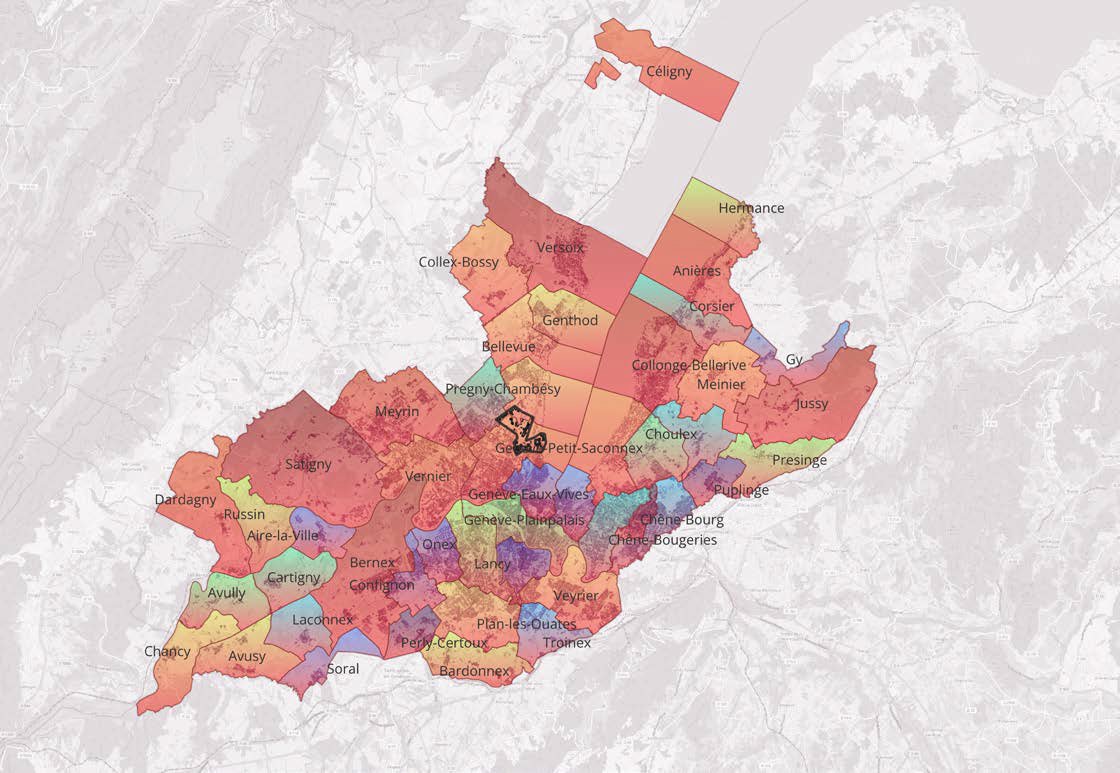
UN zone energy transition, Geneva
Governance and infrastructure framework for the energy transition of the United Nations district in Geneva · HEPIA
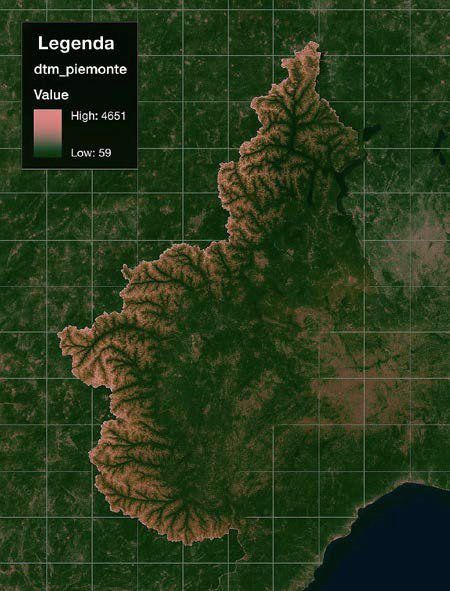
Climate mitigation plan, University of Turin
GIS-based assessment of renewable energy potential and mitigation pathways across the University of Turin campus estate
Energy Community of the United Nations: case of Geneva
Alsibai, H.; Desthieux, G.
University Campuses as an Urban Energy Coordinator
Alsibai, H.; Mandrone, G.; Piccardi, A.; Dansero, E.
AI-Driven Urban Energy Mapping and Simulation for Integrated City Planning
Alsibai, H. In: Urbanism & AI For Better Human Settlements: Reflection, Re-creation, and Regeneration.
Post Carbon Cities and Renewable Energy Communities: Stacked Urban Energy Precincts for low-carbon pathways
Alsibai, H. Politecnico di Torino, pp. 1–213.
Post carbon cities: A geospatial assessment for the solar potential of Turin
Alsibai, H. Urbanistica Informazioni, vol. 317, pp. 101–106.
Solar Potential and RES Evaluation into UniTO's Digital Asset Management System for Sustainable Campus Development
Alsibai, H.; Gasbarri, P.; Boscariol, M.; Meschini, S.; Tagliabue, L.C.; Dansero, E.; Tartaglino, A. pp. 136–145.
La Comunità energetica rinnovabile del pinerolese. Un esempio di best practice
Mutani, G.; Santantonio, S.; Usta, Y.; Beltramino, S.; Alsibai, H. NU Edizioni, pp. 117–119.
Design optimization via CFD modeling to promote natural ventilation strategies in a prototype house
Preliminary CFD analysis adapting building morphology to wind-driven ventilation strategies.
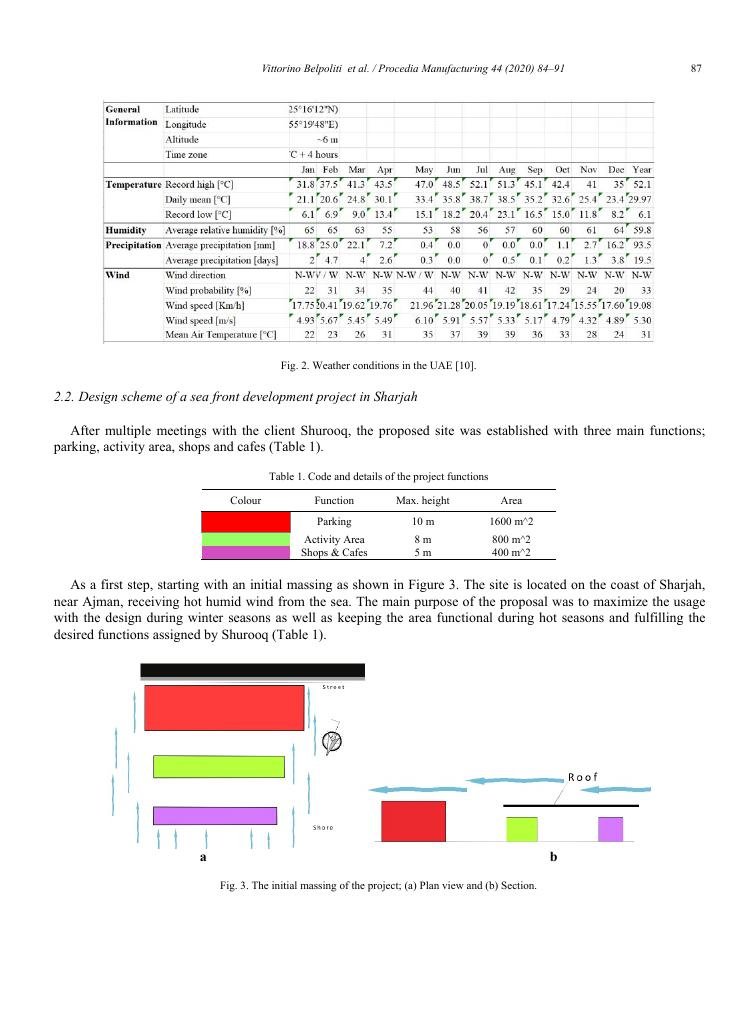
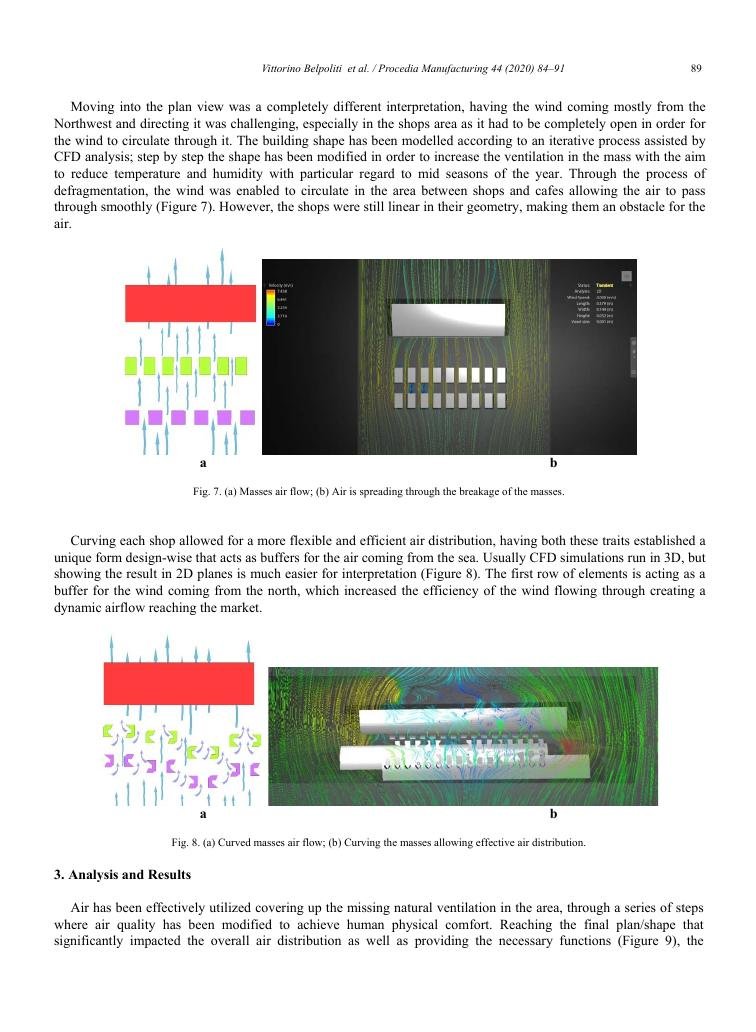
Shaping the microclimate: CFD-assisted design optimization to enhance the outdoor comfort of a recreational complex in the UAE
Belpoliti, V.; Altan, H.; Alsebai, H.; Melahfci, O. Procedia Manufacturing, 44, pp. 84–91.
Digital innovation in living environments
Tutor · University of Torino
Green building design B
Tutor · Modulo di Architectural and Urban Design · Politecnico di Torino
Show students' works ↗City and territory Studio B
Tutor · Modulo di Architectural and Urban Design · Politecnico di Torino
Show students' works ↗Sustainability, Infrastructure Condition & Safety
Lecturer · University of Maryland, College Park · Education Abroad Winter Term · Turin, Italy
Topics: Urban Heat Islands · Neighborhood Sustainability · Thermal Comfort
Post-carbon sustainable communities (Atelier)
Tutor · Modulo di Energy Transition and Energy Modeling · Politecnico di Torino
Rehabilitation and urban regeneration, Studio
Co-Tutor · Sapienza University of Rome
Urban Energy Precincts
An interactive mapping tool for assessing and visualising the energy potential of urban precincts. Combines building footprint data with solar irradiance models to produce queryable, per-building energy production estimates.
energy-map-six.vercel.app →International Forum on Urbanism (IFoU)
A global network of universities and research institutes advancing urban design, planning and metropolitan governance through comparative research and conferences. Ambassador role connecting IFoU's programme with ongoing work on post-carbon cities and renewable energy communities.
ifou.org →Research
Post Carbon Cities and Renewable Energy Communities · Politecnico di Torino · DIST
Energy systems in cities are designed top-down (grid) or bottom-up (single building). Neither layer captures what cities actually need to coordinate at: the precinct: a campus, a quarter, a UN-style district. The thesis develops a methodological frame for "stacked" energy precincts where the same physical site supports multiple operational and governance layers.
The argument has two parts: that bureaucratic complexity, not technical limitation, is the dominant obstacle to inter-actor energy sharing inside city boundaries; and that practical coordination frameworks already exist and only need to be re-stacked, not reinvented.
Urban Energy Precinct typologies
| Typology | Description | Ownership & Governance | Urban Form | Key Examples |
|---|---|---|---|---|
| Institutional UEP | Precincts organized within a single institutional boundary. Energy is managed internally with minimal legal fragmentation. | Single-owner or umbrella governance. Centralized decision-making. | Enclosed blocks or campus-style sites with clear boundaries. | UniTo SEC-R |
| Hybrid UEP | A shared energy precinct anchored by an institution but involving other public or semi-public buildings. Intermediate coordination complexity. | Multi-owner with a lead coordinator. A community manager is often needed. | Clustered civic blocks or districts. | FIPOI and 2050Today |
| Collective UEP | Open precincts built around a voluntary association of diverse stakeholders (residential, commercial, small offices) with no central anchor. High governance needs. | Fully decentralized or cooperative governance. Requires an energy community platform or aggregator. | Mixed-use urban fabric. Often retrofit. | Geneva SEC U |
Research
Mapping and policy framework for renewable energy communities in Turin's public building stock
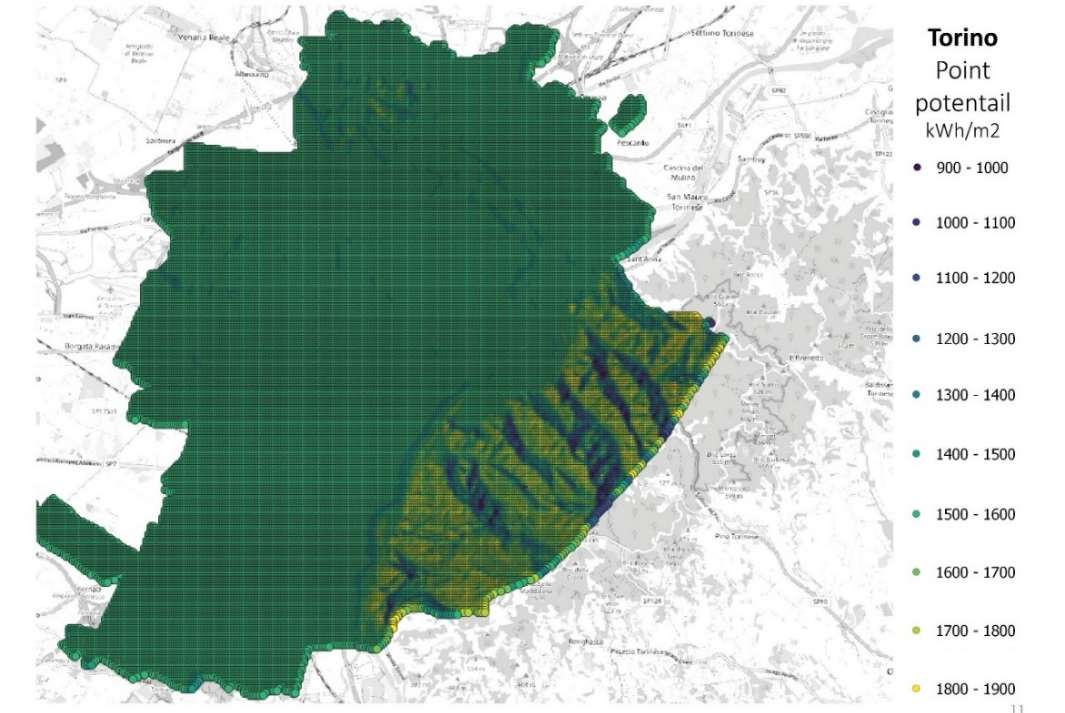
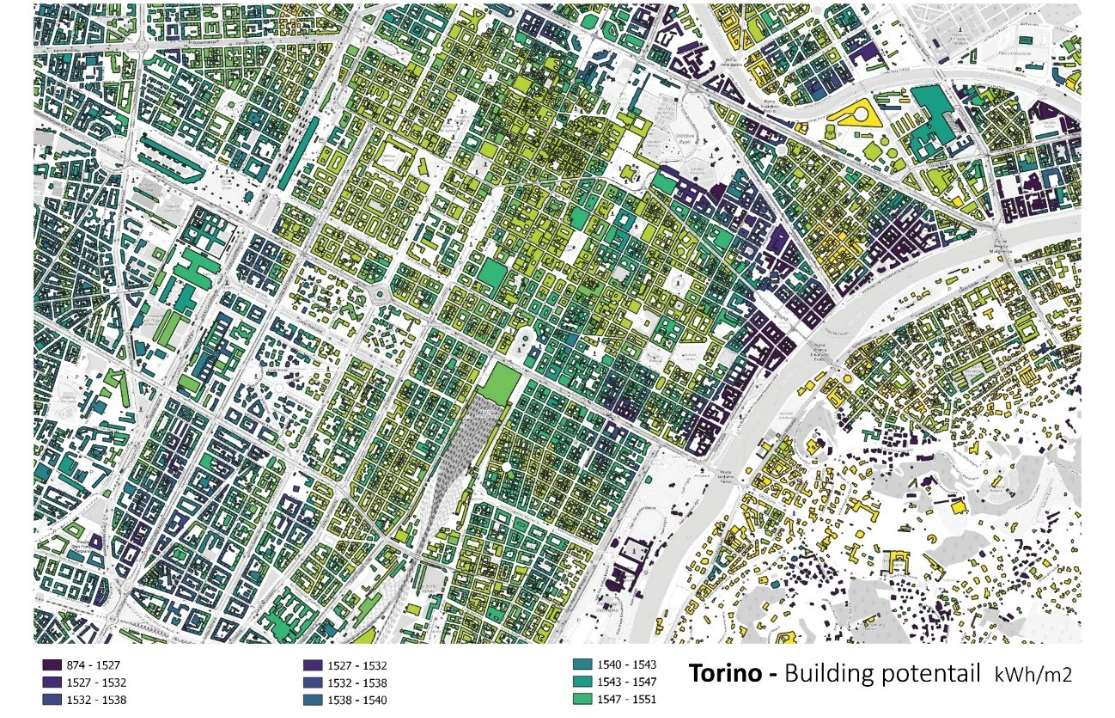
Working within Turin's climate and environment department, the project developed a systematic mapping of the city's public building stock and assessed its potential for hosting or participating in renewable energy communities (RECs). The work combined GIS-based energy analysis with regulatory mapping to identify which buildings could legally and technically participate in RECs under Italian law (D.Lgs. 199/2021).
The output provided the municipality with a prioritised portfolio of public buildings and a governance template for establishing community energy agreements between the city and private actors, informing both the city's climate action plan and contributing empirically to the doctoral research.
Figures
Research
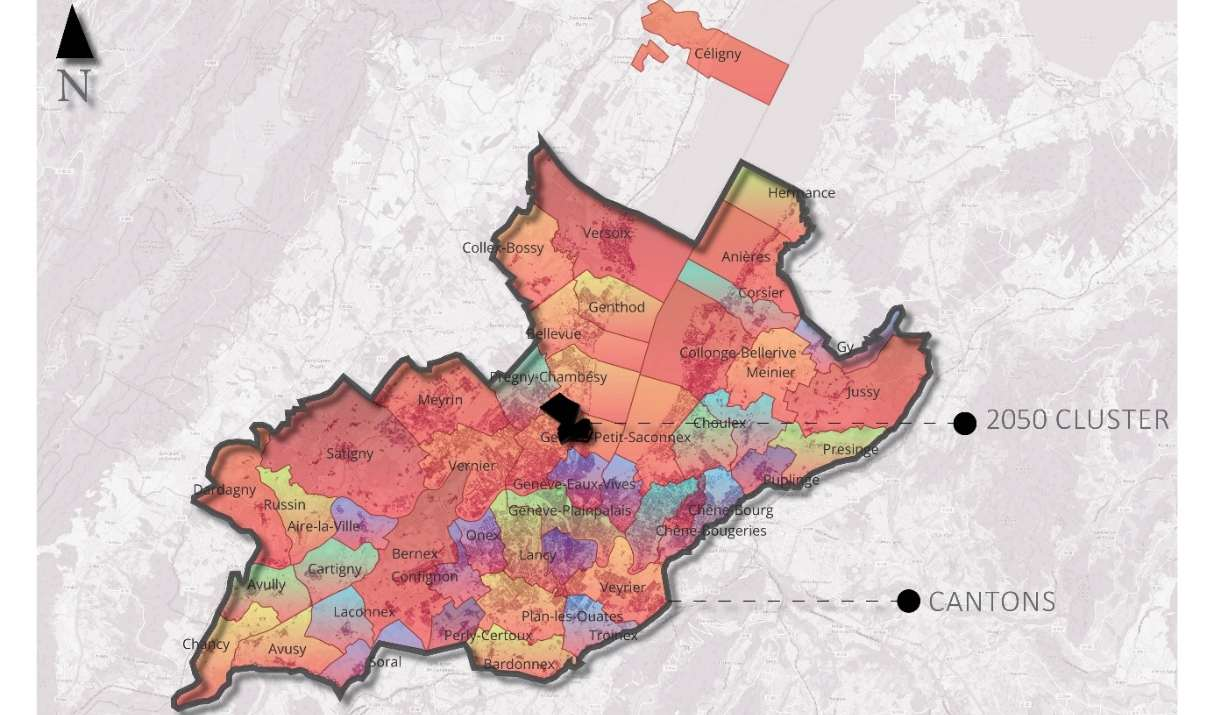
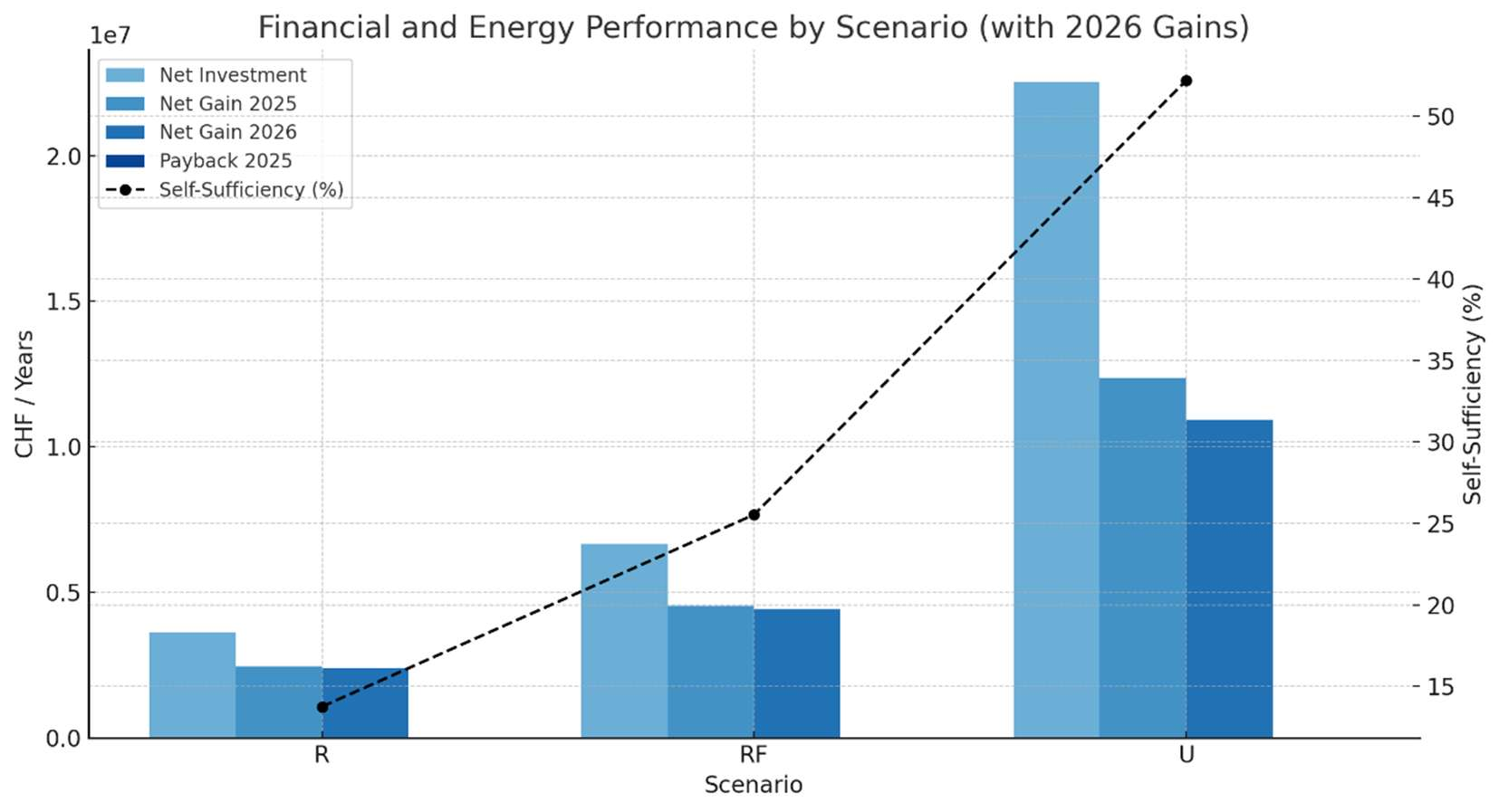
Governance and infrastructure framework for the energy transition of the United Nations district · HEPIA
The United Nations district in Geneva represents one of the most complex multi-actor energy coordination challenges in Europe: a cluster of international organisations, each with its own legal status, procurement rules, and energy contracts, occupying a dense urban zone with significant renewable energy potential.
The research designs a governance and infrastructure framework that would allow the UN district to function as a coherent energy precinct, sharing production, storage, and demand flexibility across organisational boundaries. The framework builds directly on the doctoral methodology for stacked energy precincts, applying it to a specific international regulatory context where national law applies imperfectly and inter-institutional agreements must substitute.
Figures
Research
GIS-based assessment of renewable energy potential and mitigation pathways across the UniTO campus estate
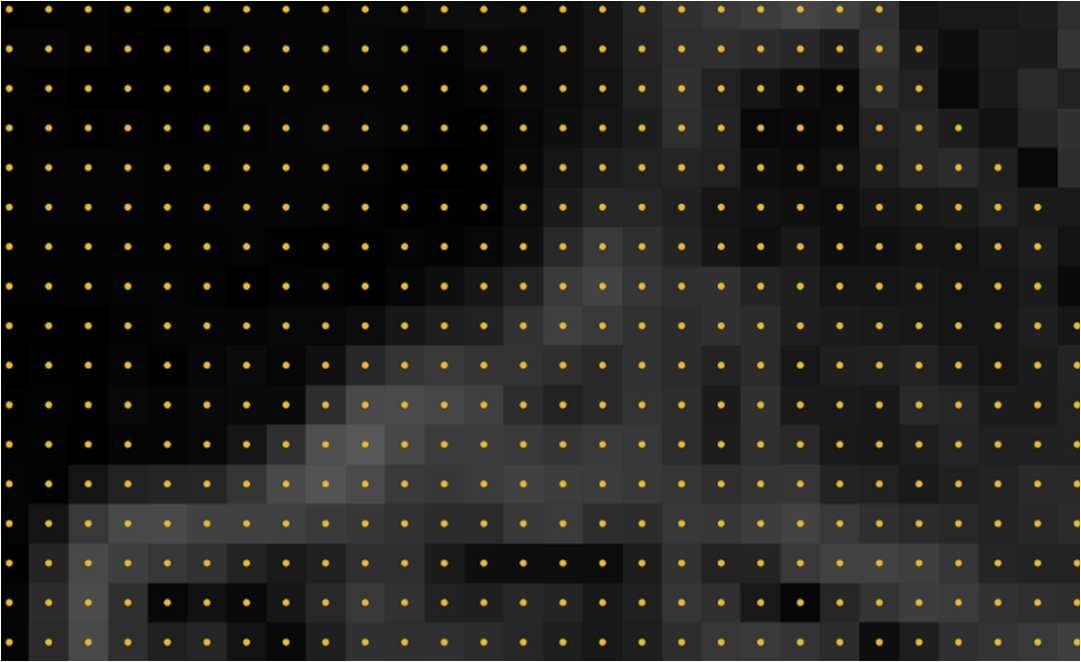
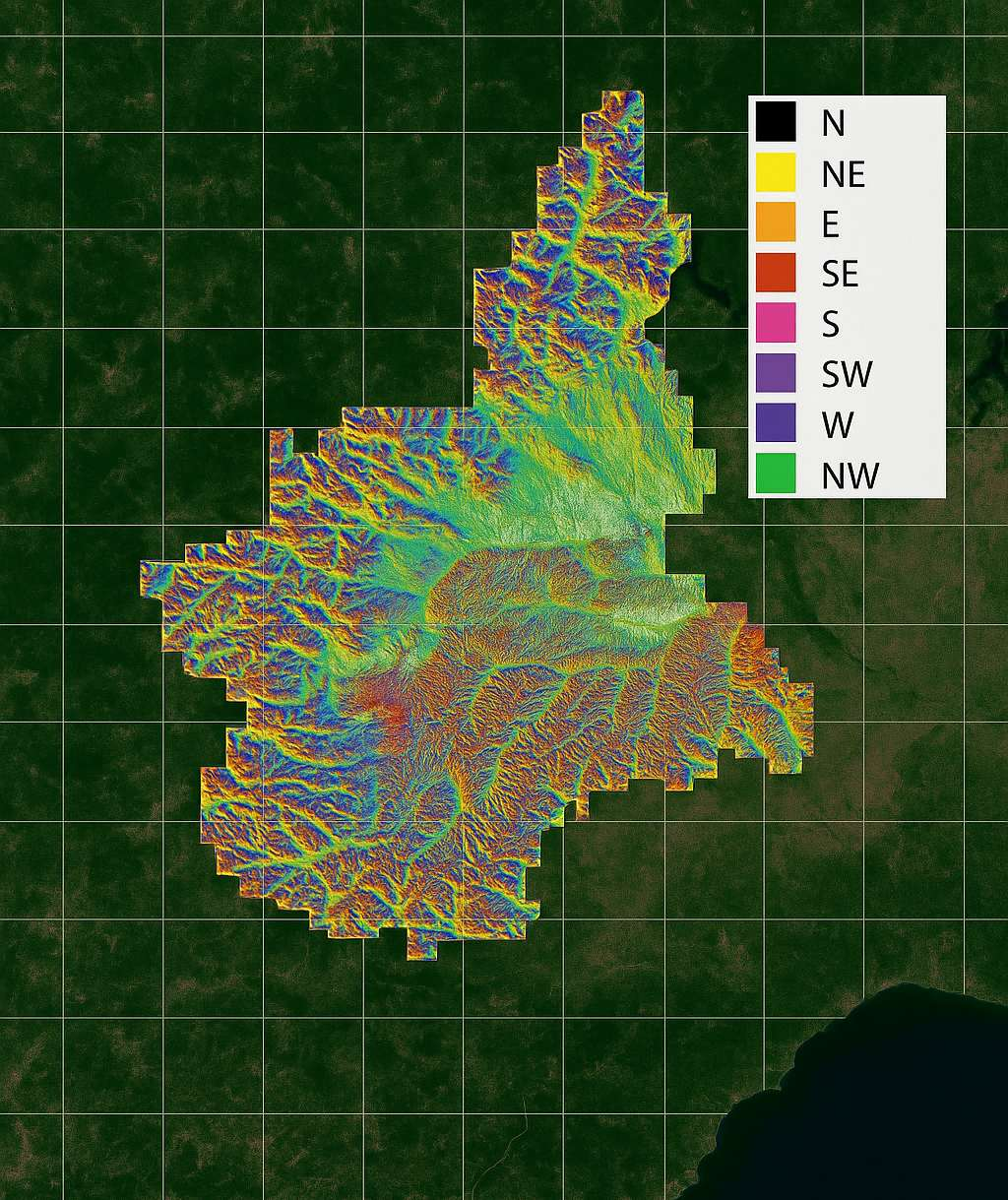
Working with the University of Turin's Green Office, the project built a GIS-based model of energy consumption and renewable energy production potential across the entire UniTO building estate. Each building was assessed for its solar PV potential, thermal energy demand, and retrofit feasibility, and the results were integrated into the university's Building Information Modelling (BIM) system.
The project produced a ranked portfolio of campus buildings by mitigation potential and cost-effectiveness, directly informing UniTO's institutional climate action commitments. It also contributed a published methodology for integrating per-building solar data into BIM pipelines for asset management, the first such framework at an Italian university campus scale.
Figures
Publications
Stacked Urban Energy Precincts for low-carbon pathways · Doctoral thesis · Politecnico di Torino · pp. 1–213
Read full thesis (PDF) ↗ View on PoliTo IRIS ↗A methodological frame for coordinating energy across multiple actors, governance layers and operational scales inside city boundaries. Bureaucratic complexity, not technical limitation, is the dominant barrier; coordination frameworks already exist and need only be re-stacked, not reinvented.
Publications
Urbanistica Informazioni №317 · INU Edizioni · pp. 101–106
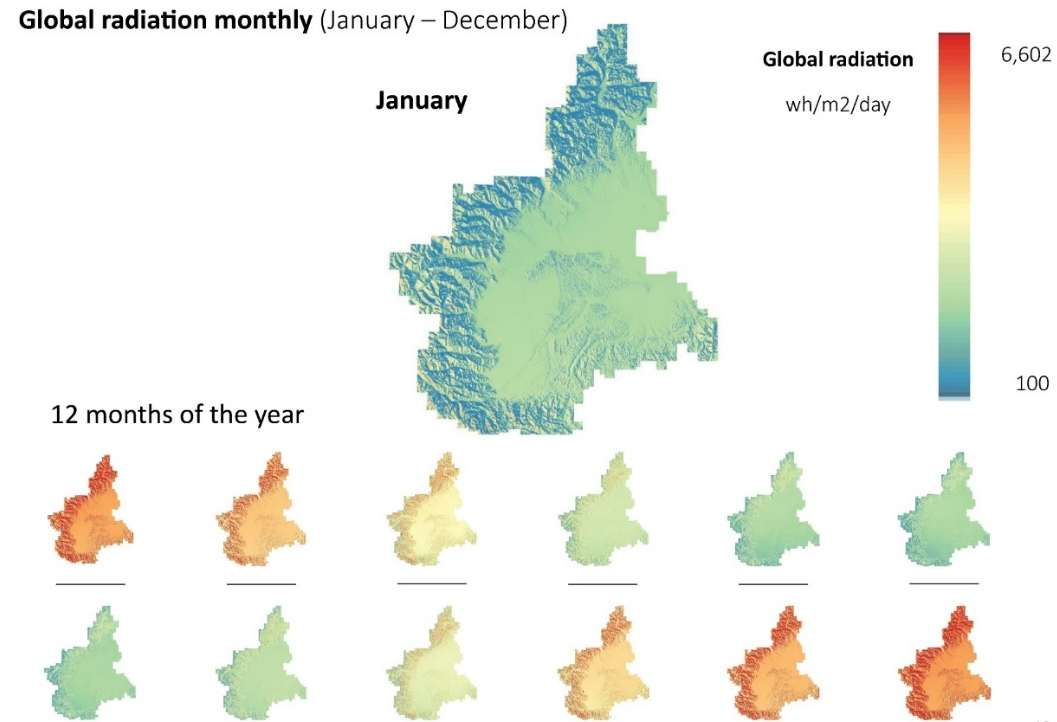
Read full paper (PDF) ↗Per-pixel solar potential mapping of Turin at 1 m × 1 m resolution. With 40% of rooftop area used, Turin can produce ~20.6 GWh/year, about 25% of its annual electricity demand.
Figures
Publications
Alsibai, Gasbarri, Boscariol, Meschini, Tagliabue, Dansero & Tartaglino · pp. 136–145
Read full paper (PDF) ↗Campus-scale extension of the Turin solar work integrated into UniTO's BIM pipeline. Each building's solar potential becomes a queryable asset property, ranking retrofit priorities by yield-per-euro.
Publications
Mutani, Santantonio, Usta, Beltramino, Alsibai · NU Edizioni · pp. 117–119
Read full paper (PDF) ↗Case study of an Italian renewable energy community in Pinerolo, documenting its governance structure, financing model, and technical configuration.
Publications
A preliminary CFD study adapting the morphology of a residential prototype to harness wind-driven ventilation strategies.
Publications
Procedia Manufacturing 44 (2020) 84–91 · OPTARCH 2019
Read full paper (PDF) ↗First peer-reviewed publication. CFD used iteratively to extend the usable season from ~40% to 58% of the year. Air velocity at body height rose from 4 m/s to 6–8 m/s; ventilation efficiency from 52% to 78%.
Figures