Re-synchronization
of Rome
Treating the urban fabric as a system that has fallen out of sync with the city it serves, and proposing tools to bring it back.
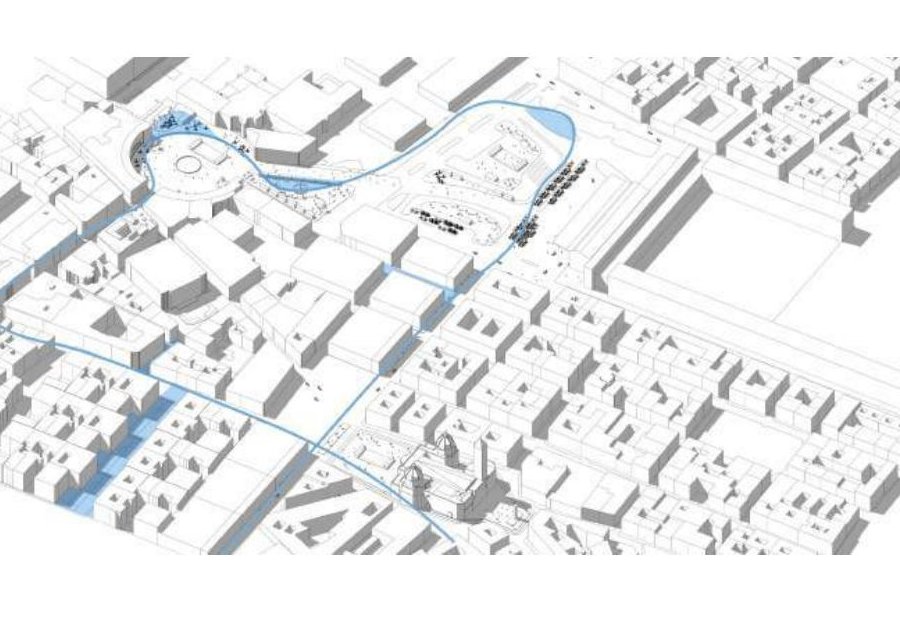
Cities grow; their populations move; their economies shift. The urban fabric, however, is largely static. The thesis starts from this asymmetry, the world keeps developing, but the city plan tries to hold still, and asks whether design can act as a kind of synchronisation device.
Rome was a useful test bed. The pandemic had exposed how dependent the historic centre was on a single category of user (tourists), and how badly it served residents. Whole quarters had functions on paper but not in practice. The thesis maps these mismatches and proposes a strategy of small, targeted interventions that can re-tune the rhythm of a neighbourhood.

A "synchronized city" isn't a plan; it's a state of equilibrium between fabric, community, environment and economy, easy to lose, hard to design.
Phase 1: Knowledge

Phase 2: Parameters

Phase 3: Design


The thesis argues that urban regeneration in dense historic cities cannot rely on demolition or large-scale insertions. The interventions have to be minor, distributed, and additive, what one of my readers called "acupuncture, not surgery."
The methodology developed here, three phases, four connectors, alternative financing through public-private mixes, became the operational frame for my later work in Turin's municipality and, eventually, for the post-carbon cities PhD.